
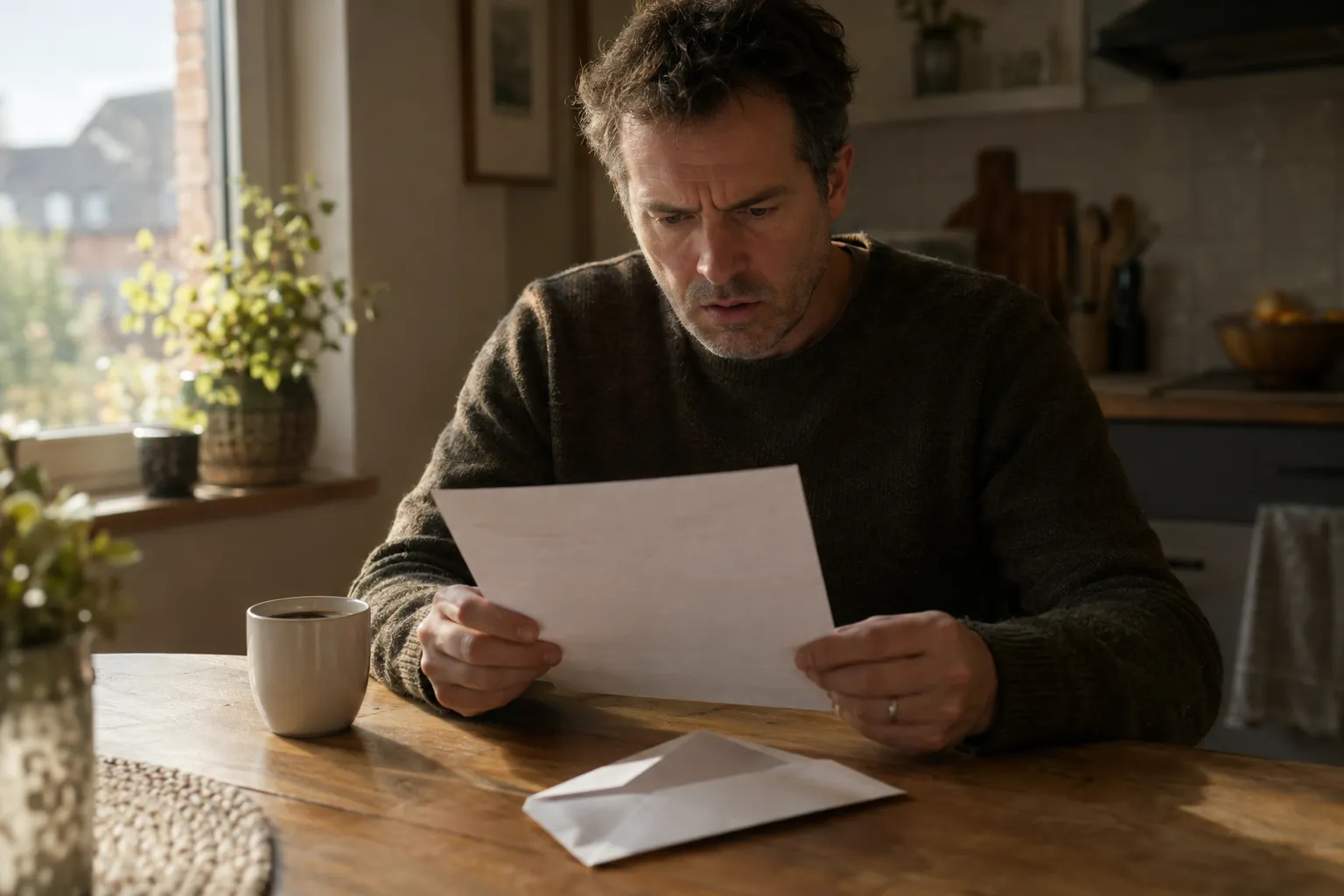
Why victims are sometimes accused themselves
Perpetrators of partner violence often use a recognisable pattern called DARVO: Deny, Attack, Reverse Victim and Offender. The perpetrator denies the facts, attacks you and reverses the roles: suddenly you are the aggressor. Around a separation this can become a reversed complaint: just when you take steps to leave, your (ex-)partner files a complaint against you.
Important: this does not mean that most reports are false — the vast majority are genuine, and most victims never even report. But if you are the real victim, a reversed accusation can be devastating, especially because police and professionals without context can misread the situation. Read more on violence after separation and context blindness.
Protect yourself before it happens
- Document early. Messages, medical certificates, photos of injuries, witnesses: record what is being done to you, from the first incidents onwards. See gathering evidence.
- Report the facts done to you in time. A timely report of your own fixes the facts at the moment they happen — not merely as a reaction to an accusation. See reporting to the police.
- Avoid situations without witnesses. Have handovers of the children take place in a public location or with a neutral third party present.
- Communicate in writing. Keep agreements and discussions in messages or e-mail; avoid verbal arrangements that can be disputed afterwards.
If you are accused
- Do not react impulsively. Do not seek contact with your (ex-)partner and do not send indignant messages — everything can be used against you.
- Get a lawyer immediately. As a suspect you have the right to a confidential consultation with a lawyer before the interview and to assistance during the interview (the Belgian Salduz law). Never waive that right.
- Use your right to remain silent wisely. You are not obliged to incriminate yourself. Answer only after consulting your lawyer.
- Cooperate with the procedure. Attend the interview, respect any imposed conditions and appear at hearings. Cooperating is not the same as declaring everything without assistance.
Be careful with physical self-defence
Many men protect themselves during an attack by holding their partner's wrists. The bruises this can cause may later be used as "evidence" against you — while your own injuries remain undocumented. Therefore always have your own injuries recorded by a doctor (detailed medical certificate) and photograph them with a date. See gathering evidence.
What does Belgian law say?
Knowingly filing a false report is a criminal offence known as slanderous denunciation (Article 242 of the 2024 Belgian Criminal Code, before April 2026 Article 445 of the old Criminal Code). Be realistic about the burden of proof, in both directions. For the accusation against you, the presumption of innocence applies: the public prosecutor has to prove the facts — an accusation is not a conviction. For a counter-complaint for slanderous denunciation the bar is also high: malicious intent is difficult to prove. You can join the proceedings as a civil party and claim damages, but discuss feasibility with your lawyer first.
Your children and contact arrangements
An accusation can lead to contact with your children being temporarily suspended or supervised. However painful: respect those decisions and challenge them through the family court. If needed, propose yourself that contact runs through a neutral supervised visitation centre (in Flanders via CAW, 0800 13 500): contact is maintained and every visit is professionally supervised and documented. Never involve the children in the conflict.
Is it weighing on you emotionally? Talk about it with 1712 or see crisis help. You do not have to carry this alone.
Frequently asked questions
Do I have to cooperate with a police interview?
Yes, respond to the summons, but never unprepared. As a suspect you have the right to a confidential consultation with a lawyer before the interview and to that lawyer's assistance during the interview (the Belgian Salduz law). You also have the right to remain silent: you are not obliged to incriminate yourself. Never waive your right to legal assistance.
Can I claim damages for a false accusation?
Knowingly filing a false report is a criminal offence in Belgium, known as slanderous denunciation (Article 242 of the 2024 Criminal Code, previously Article 445 of the old Criminal Code). You can file a complaint and join the proceedings as a civil party to claim damages. Be realistic: malicious intent is hard to prove. Discuss feasibility with your lawyer.
She threatens to file a false report if I leave — what now?
Take that threat seriously: it is a form of coercive control. Document the threat (messages; recording a conversation you take part in yourself is in principle not a criminal offence in Belgium), leave according to a safety plan and report the situation to 1712 or the police. Whoever documents early and reports the facts in time is in a stronger position.
Does DARVO mean that most reports are false?
No. Most reports of partner violence are genuine, and most victims — men and women alike — never even report. DARVO is a tactic used by a subset of perpetrators to cast the real victim as the offender. This page helps you protect yourself against that tactic, not to cast doubt on reports.