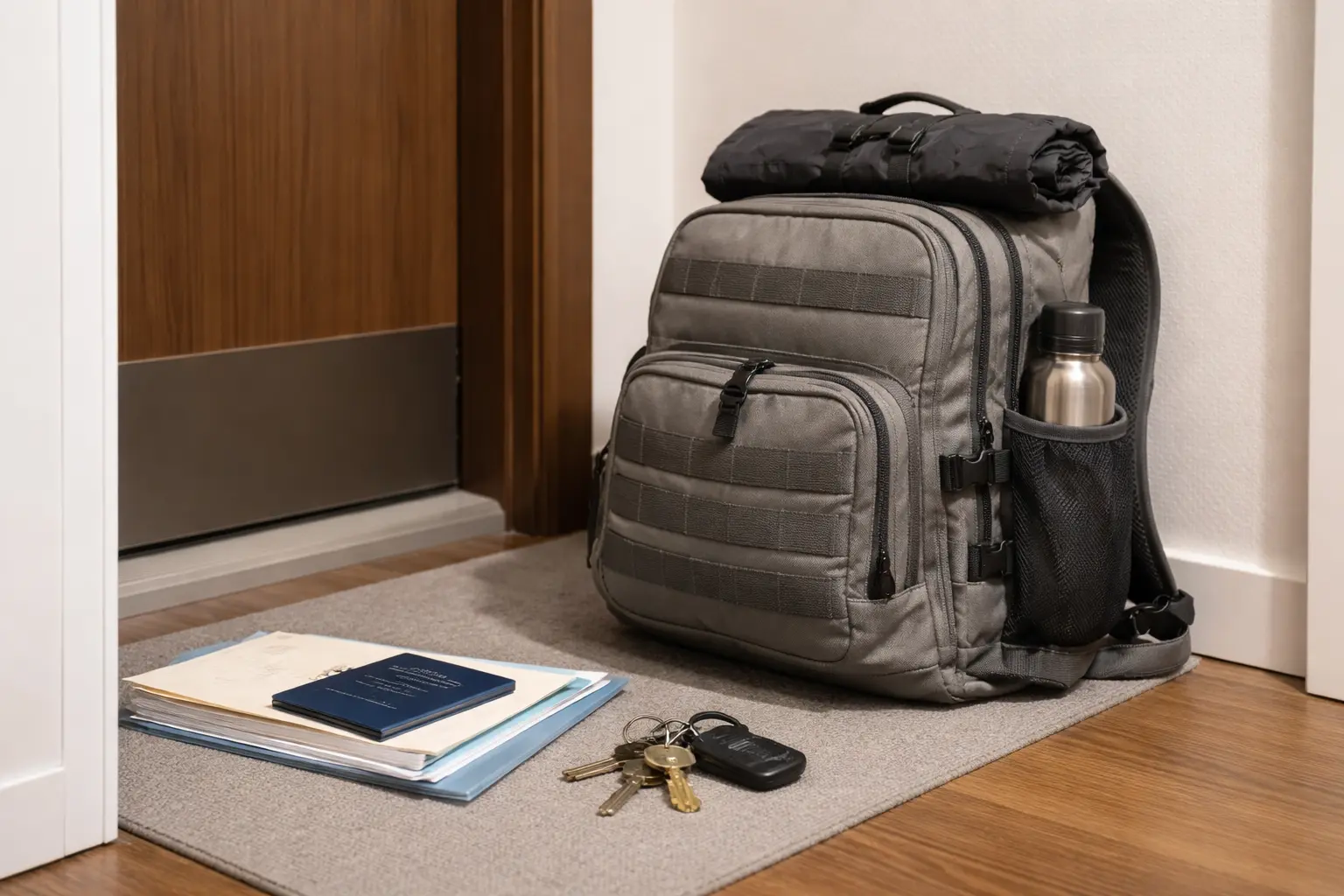
Level 1: Immediate danger
If there is (a threat of) physical violence:
- Call 112 (emergency services) or 101 (police)
- Leave the situation if you can do so safely
- Don't take anything that could escalate the situation
- Call 1712 for immediate guidance
Level 2: Not immediate danger, but risky
Document
- Keep evidence out of your partner's reach: messages, photos of injuries, a private diary
- Use a cloud account or email address she doesn't know
- Note the date, time, description and any witnesses for each incident
- Document patterns over time — isolated incidents disappear in a legal file without context
Trusted person
- Inform one reliable person about your situation
- Agree on what happens if you don't make contact for X hours
Legal advice
- Consult a lawyer before leaving the family home — this has consequences for custody
- In case of a counter-report: seek legal advice immediately
Finances
- Make sure you have access to your own finances
- Open a separate account if necessary
Call 1712: free, anonymous, professional — they help you create a personalized plan.
Level 3: Digital safety
- Check your phone for tracking apps
- Use a separate device or private browsing mode for sensitive communications
- Change passwords on accounts she knows
Temporary restraining order
In Belgium, in cases of serious and immediate danger, a temporary restraining order can be imposed on the perpetrator:
- Requested via the police or public prosecutor
- Initially lasts 10 days, extendable up to 45 days
- In theory gender-neutral, but in practice more often imposed on male perpetrators
As a male victim wanting a restraining order imposed on your partner: legally possible but requires a well-documented file and legal support.